Chinatown is known as the home for most Chinese after Sir Stamford Raffles allocated the area south of the Singapore River to the Chinese community in his 1828 Town Plan. To preserve the culture and heritage, it is now classified as one of the ethnic quarters in Singapore. This week, we will bring you through a journey to explore our famous Chinatown!
Chinatown is easily accessible by taking the Mass Rapid Transit (North-East Line), alighting at the Chinatown MRT station. After alighting at the Chinatown MRT station, we followed the directions given by signboards available in the MRT station to Exit H where it leads to Chinatown. Rows of shop houses with a tinge of oriental style greeted us. The shop houses are neatly arranged at both sides of the bustling street and there are shops selling wide array of traditional Chinese products.
Chinese Traditional Garments(Cheong Sam)
Whilst walking down the rows of shop houses, one cannot fail to be captivated by the vibrant colours of the traditional garments (cheongsam). The cheongsam which is usually red symbolises the positive aspects of life such as happiness, wealth, fame. The Chinese always believe that red is associated with good luck.
Smith Street, being famous for its wide variety of good food has allowed it to stand out among its counterparts. Hence, we decided to drop by Smith Street to have our lunch.
Smith Street Before Its Opening Hours
However, to our disappointment, the street was totally empty and the shops were closed. After enquiring from one of the shopkeepers, we learnt that the food street only starts operating at 6pm. He recommended us to go to the newly renovated Chinatown Complex as there are 200 over stalls available selling a wide variety of food.
After a satisfying meal at Chinatown Complex, we decided to go for a trishaw ride around Chinatown. Trishaws were one of the most common transportation back in the olden days of Singapore. The trishaw riders will take you along designated routes in Chinatown that promise the most interesting sights and sounds in the districts. However, the ticketing officers was out for lunch so we could only take photos of the trishaws and give the trishaw ride a miss. However, a kind local gently told us that photography is not allowed.
The ticketing booth
If you have the perception of Chinatown as a place that is only visited by people of the older generation, you are absolutely wrong. The sight of the bustling streets filled with teenagers on school excursions and tourists changed our perception as Chinatown is actually a place immersed with strong Chinese cultures.
Do you know that embroidery actually have a history of over 2000 years ?
The Chinese embroidery boasts a very long history. Chinese embroidery, a folk art with a long tradition, has an important position in the history of Chinese arts and crafts. Embroidered works have become highly complex and exquisite today. We also came across several shops along Chinatown selling these exquisite embroidery works at reasonable prices.
Shops selling traditional cakes and pastries are a common sight along the Streets of Chinatown.
Chinese opera masks
In ancient China, Masks were used by performers in a dance called “Nuo”. These performances were used to frighten off the ghosts and evil souls to relieve people of epidemics. These masks are not only a special art in Chinese operas, but also an art of ornamental design. Today it has evolved into a new variety of Chinese painting.
Smith Street After 6PM
Lastly, we marked the end of our Chinatown expedition with a sumptuous dinner at the food street.
"After visiting Chinatown, my perception of this place totally changed. Now i have learnt to appreciate the chinese cultures and heritage more than before. It was certainly a fun and enriching trip."grace
Welcome back. This week we will bring you through a tour around the Chinatown Heritage Centre. The Chinatown Heritage Centre plays an important role in depicting the history and culture of Singapore. Therefore after going around Chinatown, we decided to visit the Chinatown Heritage Centre.
The Chinatown Heritage Centre which is located along Pagoda Street brings you back to the past where one can experience the lives of the early settlers.
We purchased our admission tickets from the friendly staff situated at the cashier. She directed us to the entrance and we embarked on our learning journey. We were told to follow the red arrows on the floor and not to take any photos within the museum.
The museum showcases many artefacts such as suitcases and paper umbrellas that were used by the early settlers. There is a lift available in the museum that caters to the needs of the handicap. The museum is air-conditioned and it is dimly lit to give a vintage ambience. Chairs are also available for visitors to take a break if they are tired.
On the first level, there is a Kopi Tiam with an olden day setting which depicts the life of the early settlers. It is a realistic illustration of the olden day coffee shop with menus pasted on the walls.
On the second floor, we could see real artefacts used by the early settlers when they came down to Singapore to escape poverty. There was a gambling den shown with broken bowls and bloodstains everywhere. This depicted the past where gang fights were common. Next to it was the prostitution parlour and information boards that describe the Four Evils, namely prostitution, gambling, opium smoking and drinking.
On the third floor, there is a scene of a wake that gives a creepy feeling as there were white lanterns hanging from above and paper dolls at the corner of the room. There are also televisions showing interviews of people such as the son of Eu Tong Sen. We also found out that Chinese Opera is one of the main entertainments of the people as there were no televisions available at that time. Chinese Opera is one of the oldest dramatic art forms in the world. It is a combination of music, art and literature all into one performance on the stage.
On our way down, we saw cubicles of different families like the carpenter, shoemaker and coolie. Each cubicle showcases the lives of different families. On our way out, there is also a retail shop selling a variety of merchandise such as souvenirs and games played during the olden days.
“Admission tickets were worth it as I gained valuable knowledge that I could not get from textbooks. This is a unique experience and I had enjoyed myself during this trip to the Chinatown Heritage Centre.” Grace
“After this trip, I could truly understand the lives of the early settlers. Our ancestors have been living in extreme poverty that some of them do not have the money to buy even planks to bury the dead. I have learnt to treasure what I have now.” Huimin
"This trip to Chinatown Heritage Centre was an insightful one, for I witnessed the poor living conditions of different dialect and ethnic groups, in which left me a very deep impression. It was a major eye-opener for me, especially listening to how the people tried to make a living in the past with the traits and skills that many of us don’t have now.” Sindy
Chinatown is known as the home for most Chinese after Sir Stamford Raffles allocated the area south of the Singapore River to the Chinese community in his 1828 Town Plan. To preserve the culture and heritage, it is now classified as one of the ethnic quarters in Singapore. This week, we will bring you through a journey to explore our famous Chinatown!
Chinatown is easily accessible by taking the Mass Rapid Transit (North-East Line), alighting at the Chinatown MRT station. After alighting at the Chinatown MRT station, we followed the directions given by signboards available in the MRT station to Exit H where it leads to Chinatown. Rows of shop houses with a tinge of oriental style greeted us. The shop houses are neatly arranged at both sides of the bustling street and there are shops selling wide array of traditional Chinese products.
Chinese Traditional Garments(Cheong Sam)
Whilst walking down the rows of shop houses, one cannot fail to be captivated by the vibrant colours of the traditional garments (cheongsam). The cheongsam which is usually red symbolises the positive aspects of life such as happiness, wealth, fame. The Chinese always believe that red is associated with good luck.
Smith Street, being famous for its wide variety of good food has allowed it to stand out among its counterparts. Hence, we decided to drop by Smith Street to have our lunch.
Smith Street Before Its Opening Hours
However, to our disappointment, the street was totally empty and the shops were closed. After enquiring from one of the shopkeepers, we learnt that the food street only starts operating at 6pm. He recommended us to go to the newly renovated Chinatown Complex as there are 200 over stalls available selling a wide variety of food.
After a satisfying meal at Chinatown Complex, we decided to go for a trishaw ride around Chinatown. Trishaws were one of the most common transportation back in the olden days of Singapore. The trishaw riders will take you along designated routes in Chinatown that promise the most interesting sights and sounds in the districts. However, the ticketing officers was out for lunch so we could only take photos of the trishaws and give the trishaw ride a miss. However, a kind local gently told us that photography is not allowed.
The ticketing booth
If you have the perception of Chinatown as a place that is only visited by people of the older generation, you are absolutely wrong. The sight of the bustling streets filled with teenagers on school excursions and tourists changed our perception as Chinatown is actually a place immersed with strong Chinese cultures.
Do you know that embroidery actually have a history of over 2000 years ?
The Chinese embroidery boasts a very long history. Chinese embroidery, a folk art with a long tradition, has an important position in the history of Chinese arts and crafts. Embroidered works have become highly complex and exquisite today. We also came across several shops along Chinatown selling these exquisite embroidery works at reasonable prices.
Shops selling traditional cakes and pastries are a common sight along the Streets of Chinatown.
Chinese opera masks
In ancient China, Masks were used by performers in a dance called “Nuo”. These performances were used to frighten off the ghosts and evil souls to relieve people of epidemics. These masks are not only a special art in Chinese operas, but also an art of ornamental design. Today it has evolved into a new variety of Chinese painting.
Smith Street After 6PM
Lastly, we marked the end of our Chinatown expedition with a sumptuous dinner at the food street.
"After visiting Chinatown, my perception of this place totally changed. Now i have learnt to appreciate the chinese cultures and heritage more than before. It was certainly a fun and enriching trip."grace
Welcome back. This week we will bring you through a tour around the Chinatown Heritage Centre. The Chinatown Heritage Centre plays an important role in depicting the history and culture of Singapore. Therefore after going around Chinatown, we decided to visit the Chinatown Heritage Centre.
The Chinatown Heritage Centre which is located along Pagoda Street brings you back to the past where one can experience the lives of the early settlers.
We purchased our admission tickets from the friendly staff situated at the cashier. She directed us to the entrance and we embarked on our learning journey. We were told to follow the red arrows on the floor and not to take any photos within the museum.
The museum showcases many artefacts such as suitcases and paper umbrellas that were used by the early settlers. There is a lift available in the museum that caters to the needs of the handicap. The museum is air-conditioned and it is dimly lit to give a vintage ambience. Chairs are also available for visitors to take a break if they are tired.
On the first level, there is a Kopi Tiam with an olden day setting which depicts the life of the early settlers. It is a realistic illustration of the olden day coffee shop with menus pasted on the walls.
On the second floor, we could see real artefacts used by the early settlers when they came down to Singapore to escape poverty. There was a gambling den shown with broken bowls and bloodstains everywhere. This depicted the past where gang fights were common. Next to it was the prostitution parlour and information boards that describe the Four Evils, namely prostitution, gambling, opium smoking and drinking.
On the third floor, there is a scene of a wake that gives a creepy feeling as there were white lanterns hanging from above and paper dolls at the corner of the room. There are also televisions showing interviews of people such as the son of Eu Tong Sen. We also found out that Chinese Opera is one of the main entertainments of the people as there were no televisions available at that time. Chinese Opera is one of the oldest dramatic art forms in the world. It is a combination of music, art and literature all into one performance on the stage.
On our way down, we saw cubicles of different families like the carpenter, shoemaker and coolie. Each cubicle showcases the lives of different families. On our way out, there is also a retail shop selling a variety of merchandise such as souvenirs and games played during the olden days.
“Admission tickets were worth it as I gained valuable knowledge that I could not get from textbooks. This is a unique experience and I had enjoyed myself during this trip to the Chinatown Heritage Centre.” Grace
“After this trip, I could truly understand the lives of the early settlers. Our ancestors have been living in extreme poverty that some of them do not have the money to buy even planks to bury the dead. I have learnt to treasure what I have now.” Huimin
"This trip to Chinatown Heritage Centre was an insightful one, for I witnessed the poor living conditions of different dialect and ethnic groups, in which left me a very deep impression. It was a major eye-opener for me, especially listening to how the people tried to make a living in the past with the traits and skills that many of us don’t have now.” Sindy
CHINATOWN HERITAGE CENTRE This was a fascinating museum. More than simply galleries of objects on display, this museum recreates what life was like for Chinese inhabitants of Singapore at the turn of the century. I learned more here about the real history of Singapore than anywhere else. It was one of the most worthwhile things to do in the country. It is very easy to find in Chinatown, affordable, and takes only 45 mins to an hour to visit the entire museum.
- kellyfromcanada, Canada
CHINATOWN China town's a cool place to walk along if you are free. The structure of the buildings is incredibly astonishing... Not to mention the food centre is really good and serves varieties of food... You guys must give the claypot a try. Can’t exactly remember which one, there are around 3 or so there, but all are really good. Also, not to mention, there are stalls that sells really cheap CDs jumping off from $6. Originals!
- Giselle, New York
The colorfully painted shophouses and covered sidewalks (called 5-foot ways) are lovely, and you can catch glimpses of the men's social groups and kitchens behind the scenes. Also, don't miss going into a Chinese herbalist shop or two - they're astounding. I was there the weekend after Chinese New Year's, and it was really quiet. If you are in Singapore mid-Jan, though, leading up to New Year's, it's incredibly lively and mad with people.
- Laetitia, France
ASIAN CIVILISATION MUSEUM I especially loved the stuff on the history of Singapore. Fascinating conglomeration of cultures there. There are tidbits of many different asian cultures here - not a whole lot of depth in any one of them. But the interpretive material is engaging and some of the artifacts are jaw-dropping. This was the only museum I went to while I was in Singapore, and it was definitely worth it.
- A TripAdvisor Member
I found this place without much problem as it’s located near the Raffles Place MRT. The exhibits were interesting as I found that some of the cultures have stronger influences than the rest. There are well-placed self-help guides and detailed information for each exhibit. Walking around is a breeze and there are benches available for those who are tired.
I like the fact that the place is wheelchair friendly. However, some of the exhibits for interaction aren’t that friendly for wheelchairs which is a pity.You can even place your bags in the lockers provided so you can roam around with less things to carry.
- Wishbone, England
ARAB STREET
Arab Street is a street not to be missed in Kampong Glam. The shopkeepers of Molkan Fabrics (72 Arab Street) are friendly and helpful. Also worth getting on Arab Street are the rattan knick-knacks - baskets, hand-bags
- Saleh, Malaysia
● he-artsculturesg.blogspot.com ●
About Singapore
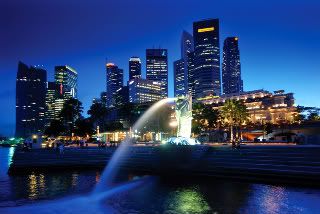
Being the smallest nation in the Southeast Asia, Singapore is an acclaimed tourist hub of the world. She provides an extensive and vast array of options for sightseeing. Rich ethnic and religious diversity of this place ensures that wide range of places and activities are available to cater to the tourists visiting Singapore.
The population of Singapore comprises mostly of Chinese, followed by Malay and Indians. Four official languages that are widely spoken are Chinese, Malay, Tamil and English.
What is so unique about Singapore? (Read on to find out what others think.)
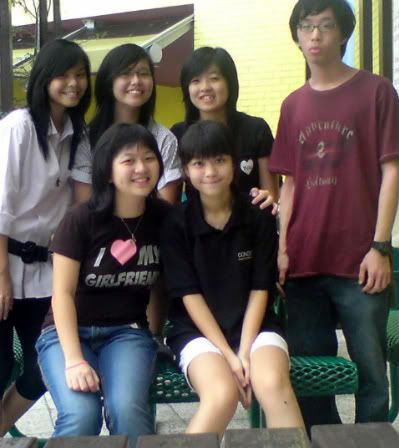
Top row (from left to right): Yiping, Huimin, Sindy, Weiminh
Bottom row (from left to right): Weiling, Grace
Behind the scenes: We're your dedicated bloggers bringing your way an enriching and fun-filled arts, heritage and cultural journey! Currently Year 1 students from the Diploma in Hospitality & Tourism Management in Temasek Polytechnic.